
 Double June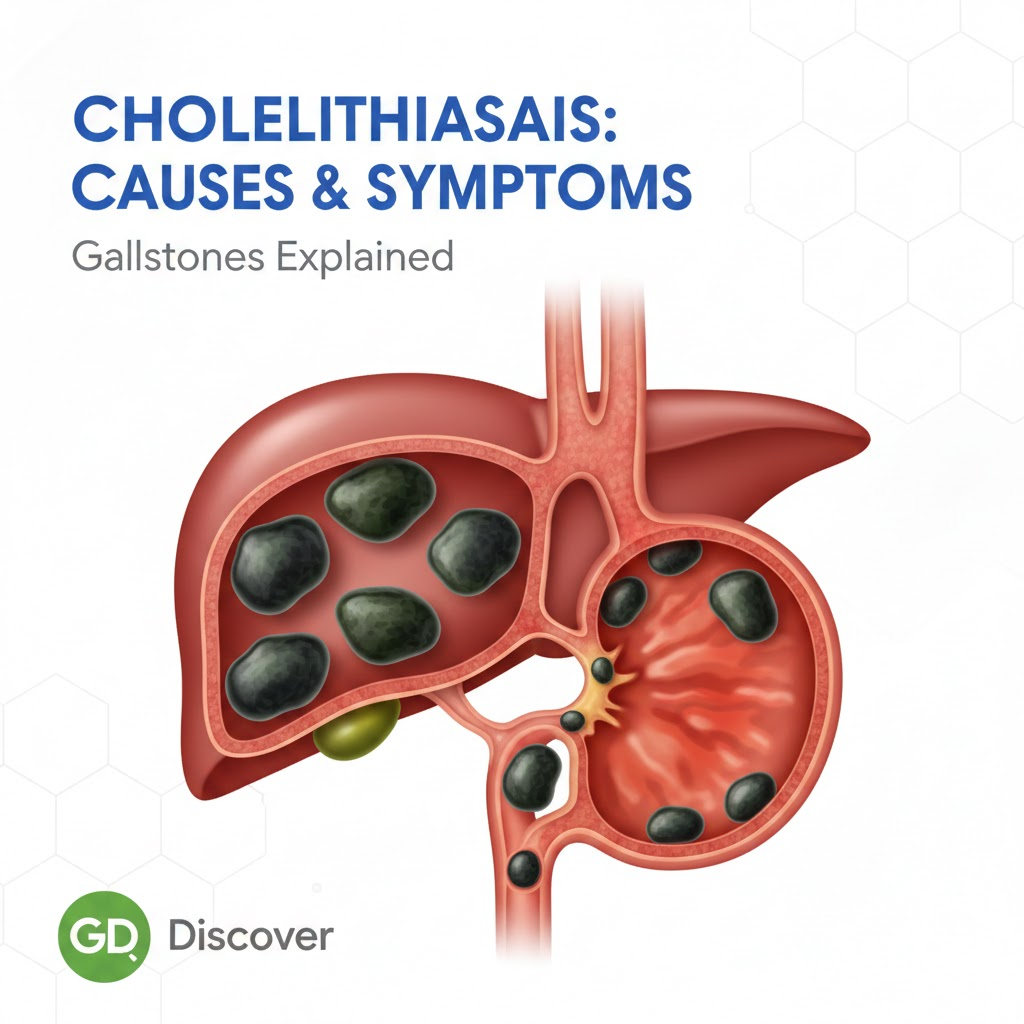
Introduction
Cholerhiasis is a medical condition characterised by the formation of stones in the gallbladder or bile ducts. These stones, often composed of cholesterol or bile salts, can block the flow of bile and lead to digestive problems, pain, and other complications. Understanding cholerhiasis is essential for early detection, effective management, and prevention.
In the UK, cholerhiasis affects people of various ages, particularly women over 40 and individuals with lifestyle risk factors. Although it is commonly associated with gallstones, cholerhiasis requires its own diagnosis and treatment approach. Awareness of symptoms, causes, and preventive measures can significantly reduce the risks linked to this condition.
What is Cholerhiasis?
Cholerhiasis refers to the presence of hardened stones within the gallbladder or bile ducts. These stones can vary in size and may remain symptomless for years. However, when they obstruct bile flow, they can cause severe abdominal discomfort and digestive disturbances, making early recognition important.
It is crucial to differentiate cholerhiasis from related conditions such as cholelithiasis and cholecystitis. While medical terminology may overlap, cholerhiasis specifically involves gallstone formation. A clear understanding of the condition ensures accurate diagnosis, targeted treatment, and effective prevention strategies to avoid long-term health issues.
Causes of Cholerhiasis
The primary cause of cholerhiasis is an imbalance in the composition of bile. Excess cholesterol, bilirubin, or insufficient bile salts can lead to stone formation. Such imbalances are often influenced by dietary habits, lifestyle factors, and genetic predisposition, highlighting the importance of healthy living.
Other contributing factors include obesity, rapid weight loss, certain medications, and underlying liver or metabolic disorders. Women are more prone to cholerhiasis, particularly during pregnancy or with hormonal changes. Recognising these causes allows individuals to take proactive measures to reduce their risk and maintain a healthy gallbladder.
Symptoms of Cholerhiasis
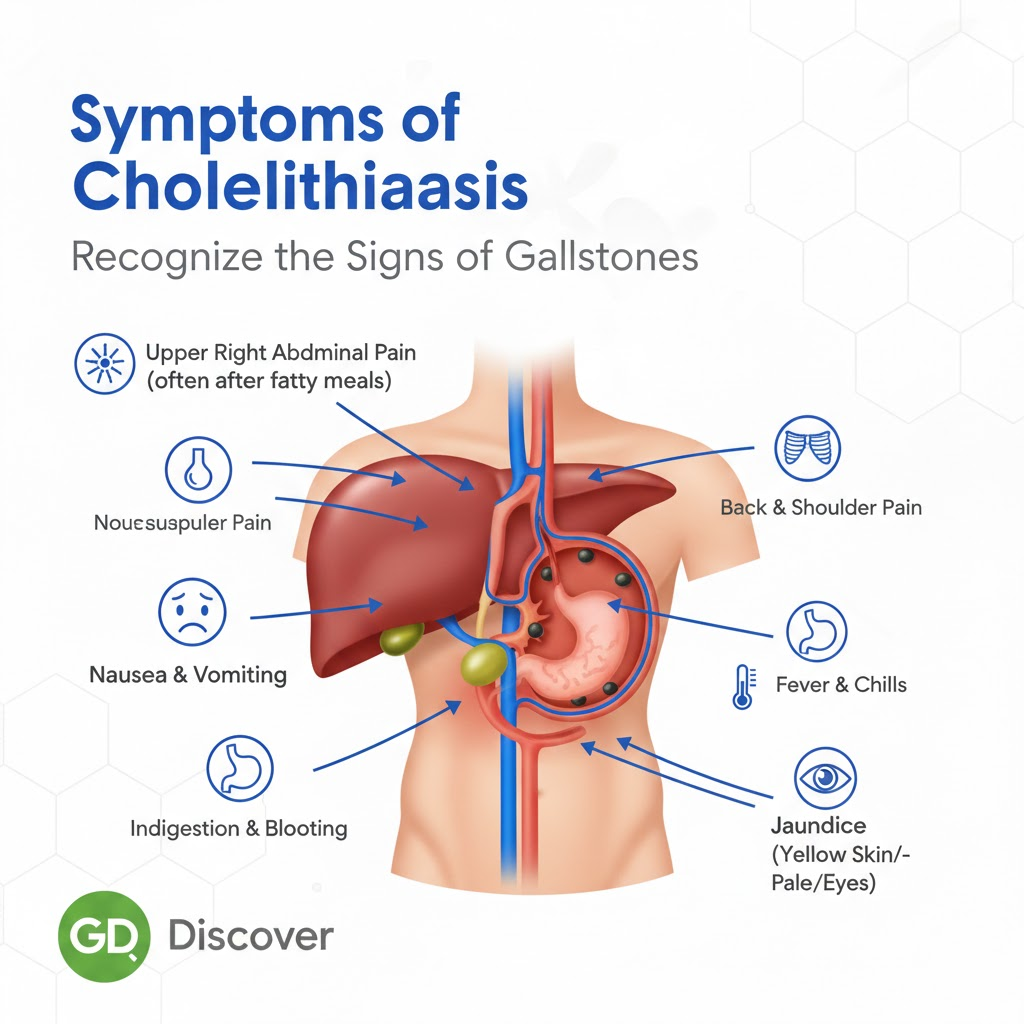
Cholerhiasis can present with a range of symptoms depending on stone size and location. Common signs include persistent abdominal pain, bloating, nausea, and vomiting, particularly after consuming fatty meals. These symptoms often indicate that bile flow is partially or fully obstructed.
More severe manifestations include jaundice, fever, and intense gallbladder attacks. Left untreated, cholerhiasis can lead to complications such as gallbladder inflammation or infection. Seeking medical attention promptly when these symptoms arise is crucial for preventing further health issues and ensuring timely intervention.
Diagnosis of Cholerhiasis
Diagnosing cholerhiasis begins with a thorough medical history and physical examination. Healthcare professionals look for characteristic signs such as tenderness in the upper right abdomen and digestive complaints. Diagnostic imaging, including ultrasound, CT scans, and MRI cholangiography, plays a vital role in confirming the presence of stones.
Blood tests may also reveal liver function abnormalities associated with cholerhiasis. Early and accurate diagnosis allows for effective treatment and prevents potential complications. Differentiating cholerhiasis from other liver and digestive disorders ensures that patients receive the correct care tailored to their condition.
Treatment Options for Cholerhiasis
Treatment for cholerhiasis depends on severity and symptom presentation. Mild cases may be managed with dietary modifications, medications to dissolve stones, and lifestyle changes such as increased physical activity and hydration. These approaches aim to reduce stone formation and alleviate discomfort.
Severe cases often require surgical interventions such as cholecystectomy (gallbladder removal) or endoscopic procedures to remove stones from bile ducts. Post-treatment care involves monitoring for recurrence, maintaining a balanced diet, and following medical advice. Proper management can significantly improve quality of life and prevent future episodes of cholerhiasis.
Prevention of Cholerhiasis
Preventing cholerhiasis largely focuses on adopting a healthy lifestyle. A balanced diet low in saturated fats and rich in fibre can support proper bile flow and reduce the likelihood of stone formation. Regular exercise, maintaining a healthy weight, and staying hydrated are also key preventive measures.
High-risk individuals should prioritise regular medical check-ups to monitor gallbladder and liver health. Awareness of early warning signs, combined with dietary and lifestyle adjustments, can effectively prevent cholerhiasis. Proactive management ensures long-term digestive wellbeing and lowers the chance of complications associated with gallstones.
Complications of Cholerhiasis
If left untreated, cholerhiasis can lead to serious health issues. Blocked bile ducts can result in gallbladder inflammation, infection, or even pancreatitis. Severe cases may require emergency medical intervention to prevent life-threatening complications.
Chronic cholerhiasis can also impair liver function over time. Recognising complications early and adhering to medical advice significantly improves patient outcomes. Preventive care, timely diagnosis, and proper treatment play critical roles in minimising these risks and ensuring long-term digestive health.
Conclusion
Cholerhiasis is a condition that can significantly affect digestive health if ignored. Understanding its causes, symptoms, diagnosis, treatment, and prevention allows individuals to take proactive steps toward maintaining gallbladder health. Early detection and lifestyle modifications are essential to prevent severe complications.
Consulting healthcare professionals when symptoms appear ensures effective management of cholerhiasis. By following a balanced diet, staying active, and monitoring digestive health, individuals can control the condition and enjoy long-term wellbeing. Awareness and timely action remain the most effective tools in combating cholerhiasis.
You may also read: 99999000101g: Unlocking Its Meaning, Uses, and Importance in Modern Digital Systems