
 Double June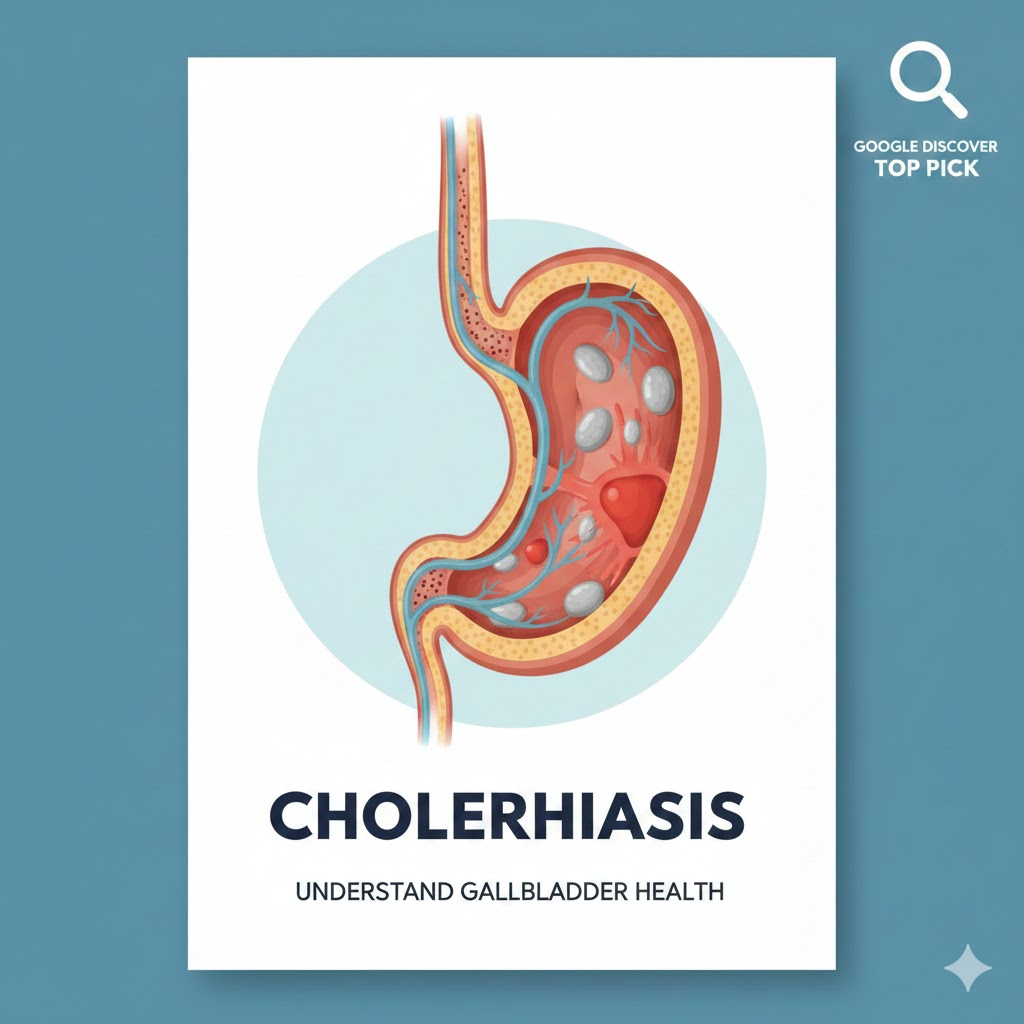
Introduction
Cholerhiasis, commonly known as gallstones, is a medical condition that occurs when hardened deposits form within the gallbladder or bile ducts. These stones, primarily made of cholesterol, bile salts, and bilirubin, can vary in size and number, often remaining asymptomatic for years. While some individuals may never experience discomfort, others suffer sudden, intense abdominal pain that can disrupt daily life. Understanding cholerhiasis, its symptoms, causes, and treatments is crucial for maintaining optimal biliary health, especially in the UK, where dietary and lifestyle factors can influence its development.
The condition is particularly prevalent among women, people over the age of 40, and those with elevated cholesterol levels. Early detection and proper management are essential to prevent serious complications such as cholecystitis, blocked bile ducts, or pancreatitis. This guide provides an in-depth exploration of cholerhiasis, including how it is diagnosed, treated, and prevented. By the end, readers will have a comprehensive understanding of this condition and the steps they can take to protect their health.
What is Cholerhiasis?
Cholerhiasis is defined as the presence of gallstones within the gallbladder or biliary system. The gallbladder is a small, pear-shaped organ located beneath the liver that stores bile, a digestive fluid responsible for breaking down fats. Gallstones develop when the chemical balance of bile is disrupted, often due to excessive cholesterol, bilirubin, or insufficient bile salts. Some stones are tiny, resembling grains of sand, while others can grow to several centimetres, occasionally causing severe blockages and pain.
It is important to distinguish cholerhiasis from other gallbladder conditions. For example, cholecystitis refers to inflammation of the gallbladder, frequently caused by gallstone obstruction, whereas choledocholithiasis describes stones that have migrated into the bile ducts. Understanding these differences is crucial for both patients and medical practitioners, as treatment strategies vary depending on the type and location of the stones.
Causes of Cholerhiasis
The formation of gallstones in cholerhiasis is primarily due to an imbalance in the composition of bile. Excess cholesterol in bile is the most common cause, often resulting from a high-fat diet or metabolic issues. Elevated bilirubin levels, frequently linked to liver disorders or blood-related conditions, also contribute to gallstone formation. Reduced bile flow, whether due to gallbladder dysfunction or other obstructions, further increases the likelihood of stones developing.
Several risk factors make certain individuals more susceptible to cholerhiasis. Women, especially those who have had multiple pregnancies, are at higher risk due to hormonal influences. Age is another factor, with people over 40 more likely to develop stones. Obesity, rapid weight loss, diabetes, and high cholesterol levels significantly increase susceptibility. Lifestyle choices, such as consuming a low-fibre or high-fat diet common in some UK households, also play a role. Recognising these risk factors is key to early prevention.
Symptoms and Early Warning Signs
Many people with cholerhiasis remain symptom-free, making the condition difficult to detect without medical examination. However, when symptoms occur, they can be sudden and severe. The most common manifestation is biliary colic, characterised by sharp, cramping pain in the upper right abdomen, often radiating to the back or shoulder blade. Episodes frequently occur after consuming fatty meals and can last from minutes to several hours, significantly impacting daily activities.
Other symptoms may include nausea, vomiting, indigestion, bloating, and excessive gas. In some cases, gallstones can block bile ducts, leading to jaundice, which presents as yellowing of the skin and eyes. Fever or chills may also occur if an infection develops. Recognising these warning signs early and seeking prompt medical attention is vital, as untreated gallstones can lead to more serious complications requiring surgical intervention.
Diagnosis of Cholerhiasis
Diagnosing cholerhiasis involves a combination of symptom assessment, physical examination, and imaging tests. Doctors may palpate the abdomen to check for tenderness or swelling, particularly in the upper right quadrant. Blood tests, including liver function tests, help determine whether bile ducts are blocked or if infection is present. Ultrasound imaging remains the most common and effective diagnostic tool, allowing practitioners to visualise gallstones directly.
In more complex or uncertain cases, CT scans or MRI imaging may be utilised to assess the bile ducts and surrounding organs. NHS guidelines in the UK recommend timely diagnostic evaluation for individuals exhibiting symptomatic gallstones. Early diagnosis not only facilitates appropriate treatment but also reduces the risk of complications such as gallbladder inflammation or pancreatitis, ensuring better patient outcomes and faster recovery.
Treatment Options
Treatment for cholerhiasis depends on the severity of symptoms and the size or location of the gallstones. For asymptomatic patients, doctors may recommend watchful waiting, as not all gallstones require immediate intervention. Medication, such as bile acid tablets, can sometimes dissolve cholesterol stones, although this approach is slow and not always effective.
For symptomatic gallstones, surgical removal of the gallbladder—known as cholecystectomy—is the most common and effective treatment. Laparoscopic surgery, a minimally invasive procedure, allows patients to recover within one to two weeks, while open surgery may be necessary in complex cases. Potential risks include infection, bile leakage, or injury to surrounding tissues, though these complications are rare. The NHS provides comprehensive surgical care, ensuring patients have access to safe and effective treatment.
Prevention and Lifestyle Tips
While some risk factors for cholerhiasis, such as age and genetics, cannot be changed, lifestyle modifications can significantly reduce the likelihood of developing gallstones. Maintaining a balanced, low-fat, high-fibre diet helps regulate bile composition and reduces cholesterol levels. Regular physical activity supports healthy digestion and bile flow, while avoiding rapid weight loss prevents gallstone formation.
Other preventive measures include staying hydrated to maintain bile consistency and monitoring cholesterol levels. Individuals with a family history of gallstones should be particularly vigilant, adopting healthy eating habits and lifestyle routines to lower their risk. These proactive strategies are not only beneficial for gallbladder health but also promote overall well-being and digestive efficiency.
Complications of Untreated Cholerhiasis
Untreated cholerhiasis can result in severe and potentially life-threatening complications. Blockage of the bile ducts, or choledocholithiasis, can lead to jaundice and liver damage. Inflammation of the gallbladder, or cholecystitis, may cause persistent pain and infection. Additionally, gallstones can trigger pancreatitis, a dangerous inflammation of the pancreas that requires immediate medical attention.
Other complications include bacterial infections within the biliary system, digestive disturbances, and chronic discomfort. Early detection and timely medical intervention are essential to prevent these outcomes. Regular health check-ups, prompt attention to symptoms, and adherence to treatment plans ensure that cholerhiasis does not escalate into a more serious health problem.
Conclusion
Cholerhiasis is a common yet manageable condition, primarily caused by imbalances in bile composition leading to gallstone formation. Recognising symptoms such as abdominal pain, nausea, and jaundice, understanding the causes, and seeking timely diagnosis and treatment are crucial to maintaining biliary health. Surgical intervention remains the most effective solution for symptomatic cases, while lifestyle modifications can significantly reduce the risk of gallstones forming. By adopting healthy habits and consulting healthcare professionals early, individuals can manage and prevent cholerhiasis effectively.
FAQs About Cholerhiasis
- What is the difference between cholerhiasis and cholecystitis?
Cholerhiasis refers to gallstones, whereas cholecystitis is the inflammation of the gallbladder, often caused by obstruction. - Can cholerhiasis be prevented with diet?
A balanced, low-fat, high-fibre diet reduces the risk, but genetics and other factors also play a role. - How are gallstones diagnosed in the UK?
Diagnosis typically involves ultrasound imaging, blood tests, and occasionally CT or MRI scans. - Is surgery always required for cholerhiasis?
Not always. Asymptomatic stones may not need treatment, but symptomatic stones usually require gallbladder removal. - Can cholerhiasis cause jaundice?
Yes, if gallstones block bile ducts, leading to yellowing of the skin and eyes. - Are there any home remedies for gallstones?
No proven home remedies exist; medical treatment is the safest approach. - Who is most at risk of developing cholerhiasis?
Women, people over 40, those with obesity, high cholesterol, or a family history of gallstones. - How long is recovery after gallbladder surgery?
Laparoscopic surgery usually requires 1–2 weeks; open surgery may take longer. - Can cholerhiasis return after treatment?
Recurrence is rare after gallbladder removal, but stones can sometimes form in the bile ducts. - What lifestyle changes help prevent gallstones in the UK?
Healthy diet, regular exercise, maintaining hydration, and avoiding rapid weight loss are key preventive measures.
You may also read: software gdtj45 builder does not work: Your Complete 2026 Troubleshooting Guide